
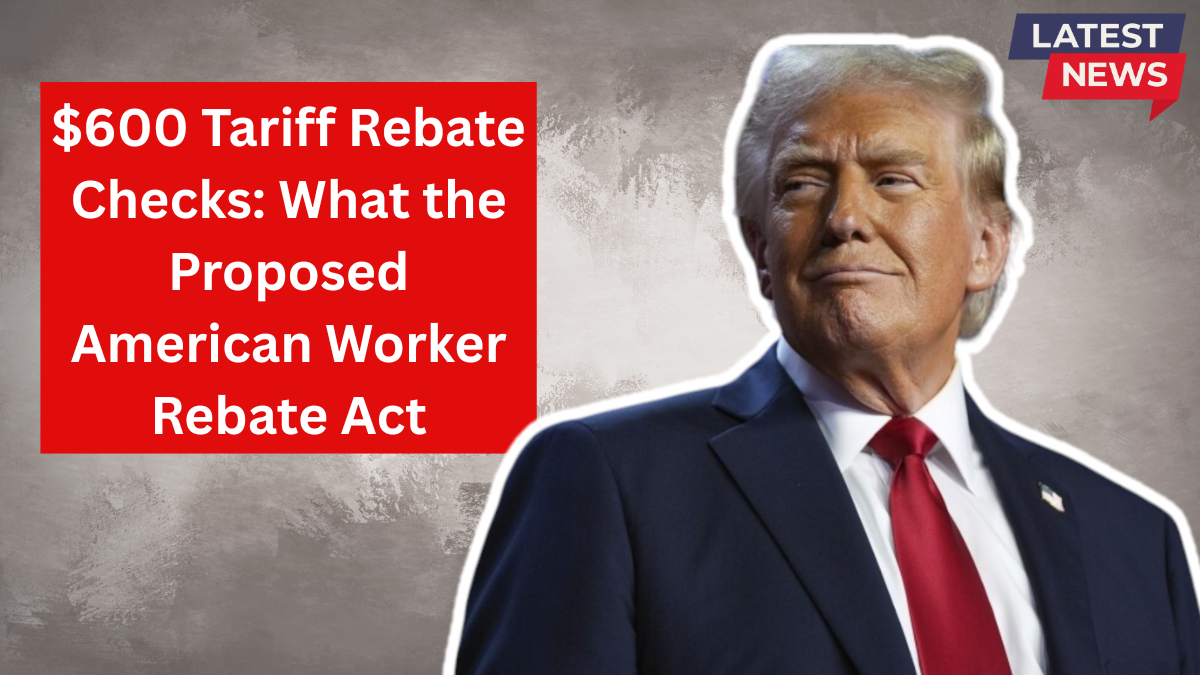
WASHINGTON — A new proposal in Congress could put hundreds of dollars directly into Americans’ pockets in the form of tariff rebate checks. The legislation, called the American Worker Rebate Act, was introduced in late July 2025 by Senator Josh Hawley (R-MO).
The idea is straightforward: send at least $600 per adult and dependent child to help offset the rising cost of goods tied to the administration’s new tariffs. That means a family of four could receive up to $2,400. But while the proposal has drawn public attention, its path forward remains uncertain.
How the Tariff Rebate Would Work
The rebate would be modeled after the pandemic-era stimulus checks, using IRS records to determine eligibility and issue payments.
- Payment amount: At least $600 per adult and each dependent child.
- Income limits: Benefits would begin to phase out for married couples with incomes above $150,000. Single filers and heads of household would have lower thresholds.
- Distribution: Likely through direct deposit, paper checks, or prepaid debit cards, as with past stimulus programs.
Political Roadblocks Ahead
Despite the appeal of direct cash payments, the bill faces steep political challenges. While Senator Hawley is pushing the legislation as a way to support working families, many Senate Republicans are reluctant to back another large-scale rebate program.
Economists are also divided. Some argue the rebate could provide short-term relief to consumers dealing with higher prices, while others believe it won’t meaningfully offset the broader economic effects of tariffs.
For now, the bill must pass both chambers of Congress before reaching the president’s desk — and that could prove difficult.
What Would You Do With a $600 Check?
Even though the rebate is far from guaranteed, it’s worth considering how a sudden $600 windfall (or more for families) could best be used.
1. Pay Down High-Interest Debt
Credit card balances are at record highs, with average interest rates above 22%. Using rebate money to knock down your debt could save you hundreds in interest charges.
For example:
- If you owe $1,000 on a credit card and only make minimum payments, it could take nearly five years to pay off, with over $600 in interest costs.
- Applying a $600 rebate immediately would cut the balance to $400, shorten the payoff timeline by almost two years, and slash interest costs to about $150.
That’s a savings of nearly $470 — just by putting your rebate toward debt.
2. Build Emergency Savings
If you’re debt-free or on top of your payments, the next best move is to grow your savings.
High-yield savings accounts (HYSAs) and money market accounts currently offer interest rates around 4% APY. That means your money doesn’t just sit — it works for you.
- A $600 deposit could grow to $624 in a year at 4%.
- If you contribute regularly, the gains compound quickly, creating a safety net for emergencies.
3. Cover Essential Expenses
Many households would simply use rebate money for groceries, utilities, rent, or transportation costs. With prices still elevated, even a few hundred dollars could provide meaningful breathing room.
4. Plan for the Future
Some families may choose to put rebate funds toward college savings accounts, retirement contributions, or medical bills. Even small amounts invested consistently can make a big difference over time.
Why This Matters
While the American Worker Rebate Act faces an uphill battle, it reflects ongoing pressure in Washington to address the financial strain caused by tariffs and inflation. For millions of Americans, even a modest cash infusion could ease stress and help them regain stability.
Until Congress decides, households can start preparing by thinking about how they would use a rebate if it arrives — whether to pay down debt, save for the future, or cover today’s most pressing expenses.
Key Takeaways
- Proposal: At least $600 per adult and dependent child.
- Family of four: Could receive $2,400.
- Income limits: Phased out above $150,000 for married couples.
- Outlook: Uncertain, facing political and economic skepticism.
FAQs
1. Is the $600 rebate guaranteed?
No. It’s still just a proposal in Congress.
2. Who introduced the bill?
Senator Josh Hawley (R-MO) introduced the American Worker Rebate Act in July 2025.
3. Who would qualify?
Most adults and dependent children under income limits. Married couples earning more than $150,000 would see reduced or no payments.
4. When would payments go out?
If passed, payments could be distributed within months — likely by direct deposit or check, similar to stimulus payments.
5. How should I use the money?
Experts recommend paying down high-interest debt first, then building savings or covering essential expenses.